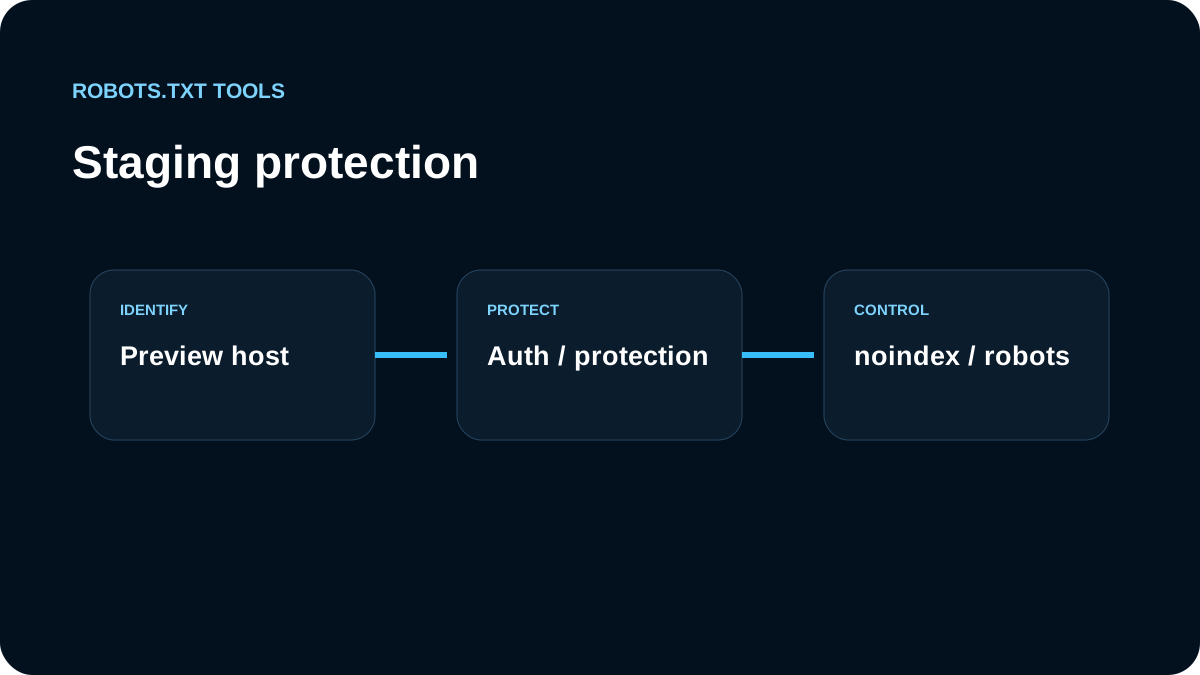
For a staging environment, our first question is not “what should robots.txt contain?” It is “should the public internet be able to reach this environment at all?”
Authentication is our primary control
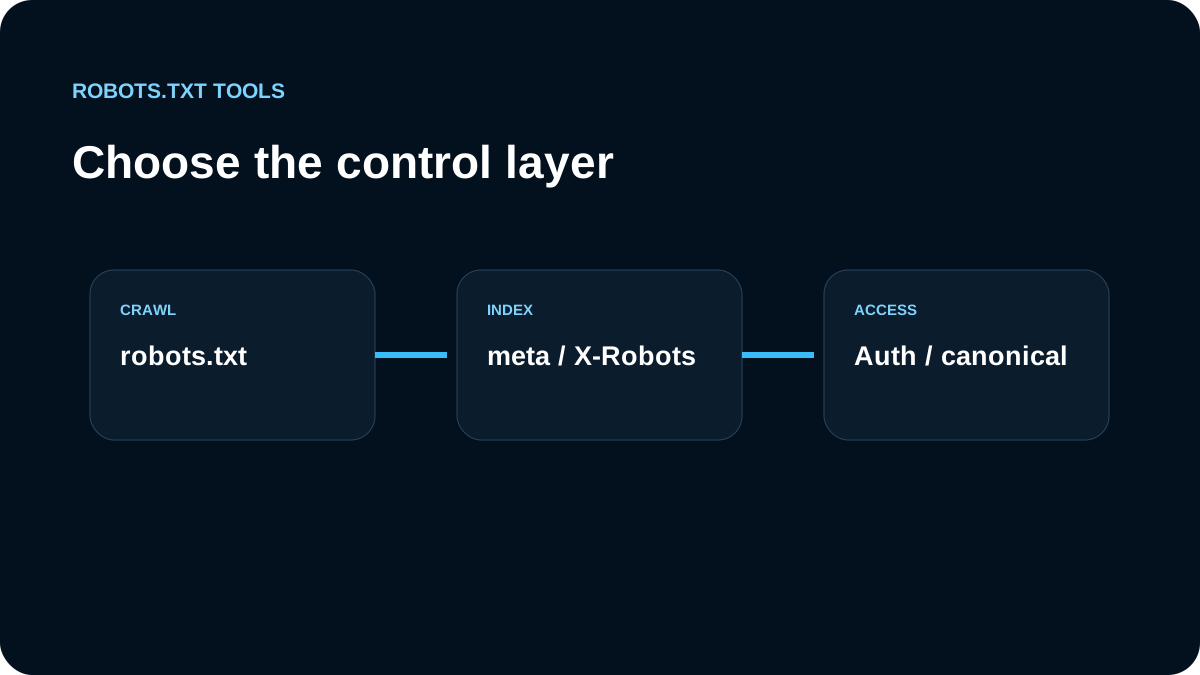
If staging contains unreleased pages, internal data, or client material, we require authentication, network restrictions, or another real access-control layer. Disallow: / is publicly readable guidance for compliant crawlers; it is not security.
We use noindex when a public preview must remain reachable
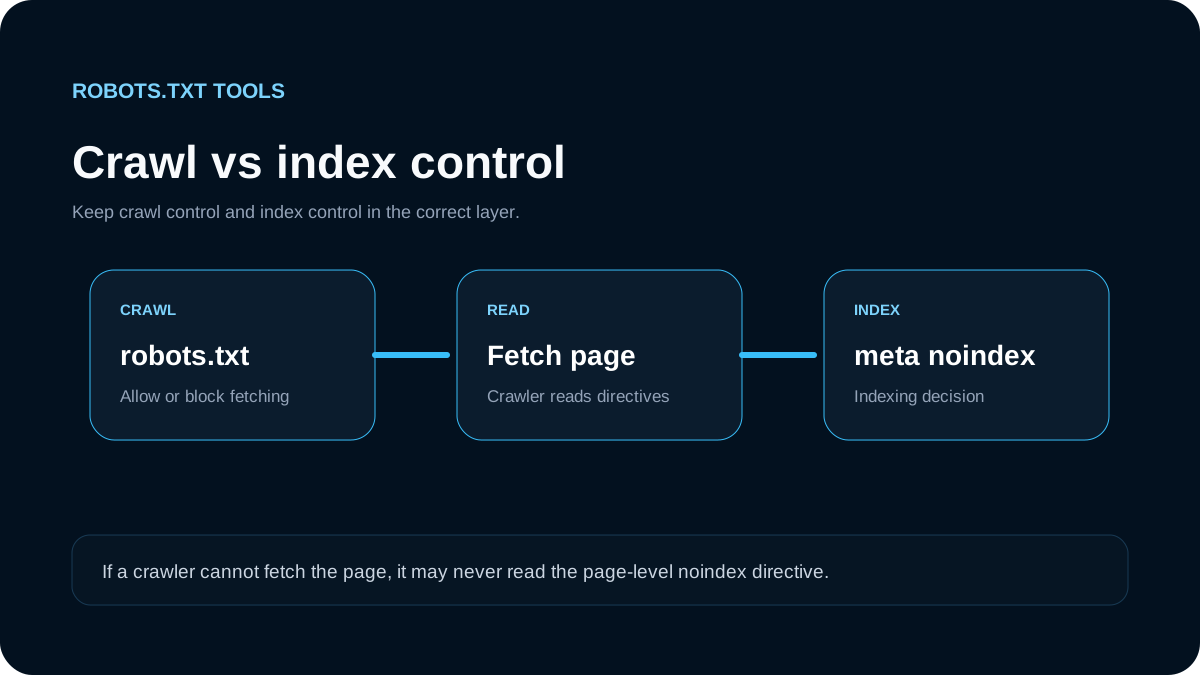
Some preview environments need public access for reviews or integrations. In that case, we add a reliable noindex response and keep the crawler able to fetch it so the directive can be processed. Blocking the same URL in robots.txt can prevent a crawler from seeing noindex.
Robots.txt remains a secondary crawl control
A staging robots.txt may still contain:
User-agent: *
Disallow: /
but we treat it as defense in depth, not as the only protection. We also make sure this staging policy cannot accidentally be promoted to production.
We separate environment configuration
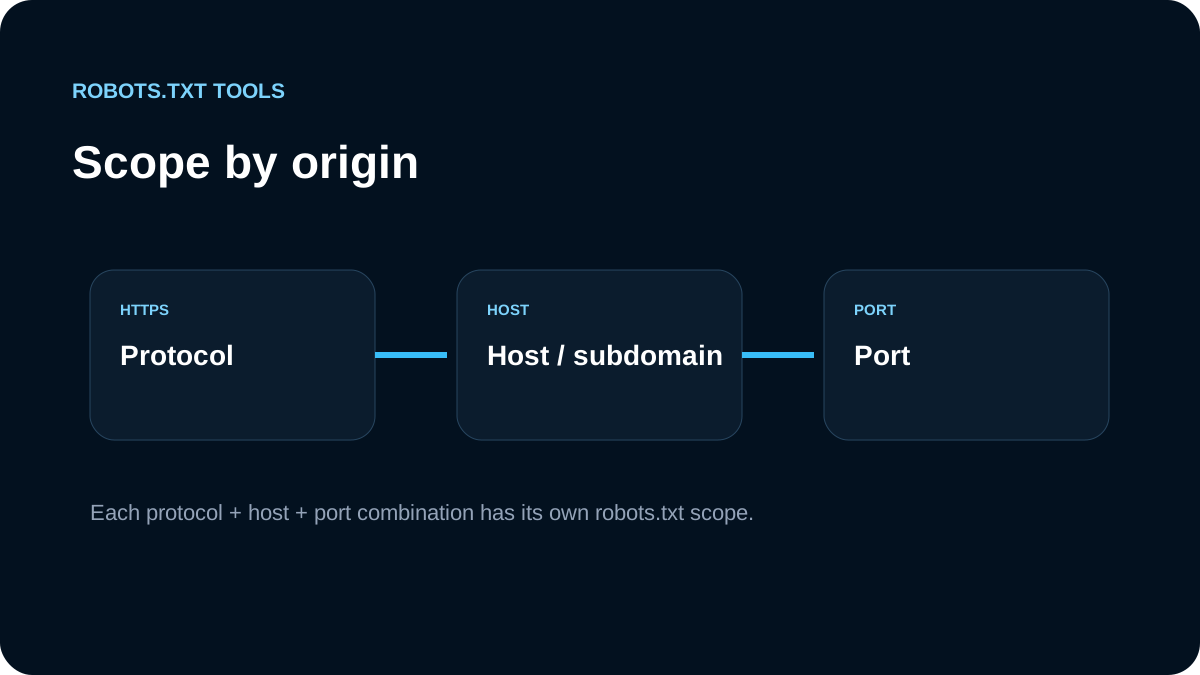
Production and staging should not share a fragile manual file copy. We prefer environment-aware configuration with an explicit production allow policy and a preview/staging protection policy. During release, we inspect both origins because robots.txt scope follows protocol, host, and port.
We remove sitemap discovery from non-production environments
A staging sitemap can create another discovery path. We avoid advertising preview URLs and verify that production sitemaps contain only canonical production URLs. Canonical tags alone are not a substitute for access control or noindex on a public test environment.
We verify before every production release
Our checklist is:
- confirm authentication or network protection on private staging;
- confirm
noindexon public previews that must stay out of search; - inspect staging
/robots.txtand production/robots.txtseparately; - make sure
Disallow: /cannot leak into production; - remove staging sitemap references;
- test production URLs with the robots.txt tester;
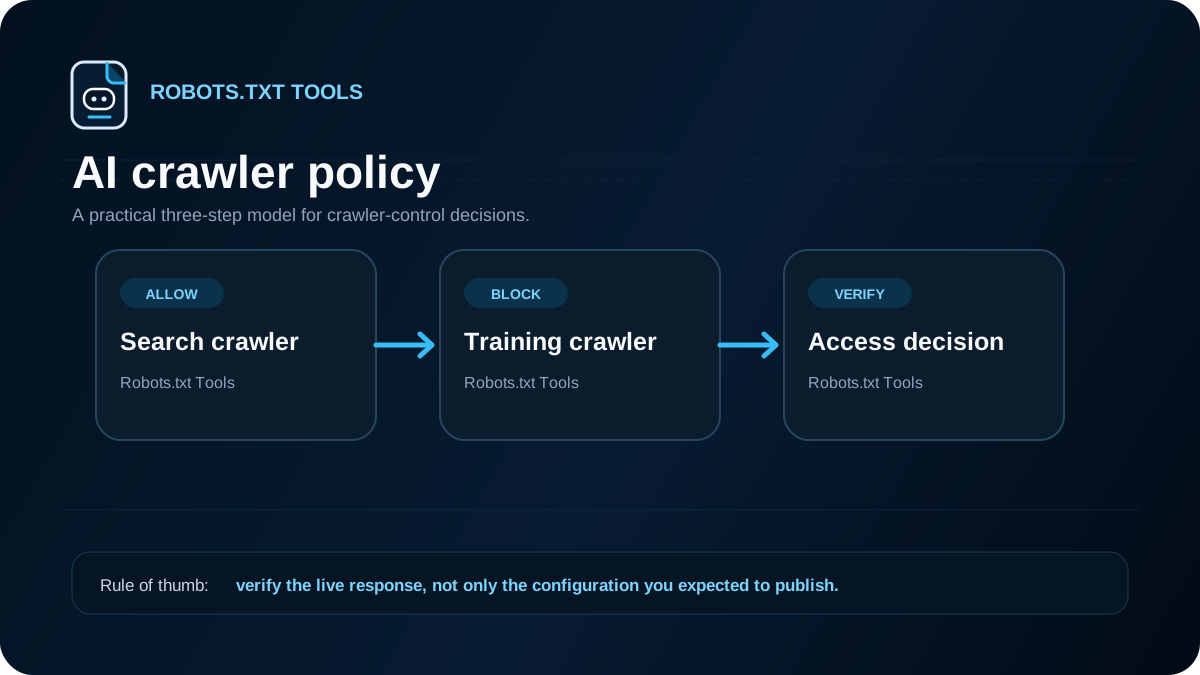
- inspect the live production file with the checker.
The safe model is layered: authentication protects private content, noindex controls indexing for crawlable previews, and robots.txt controls crawl permission. No single directive should be asked to do all three jobs.