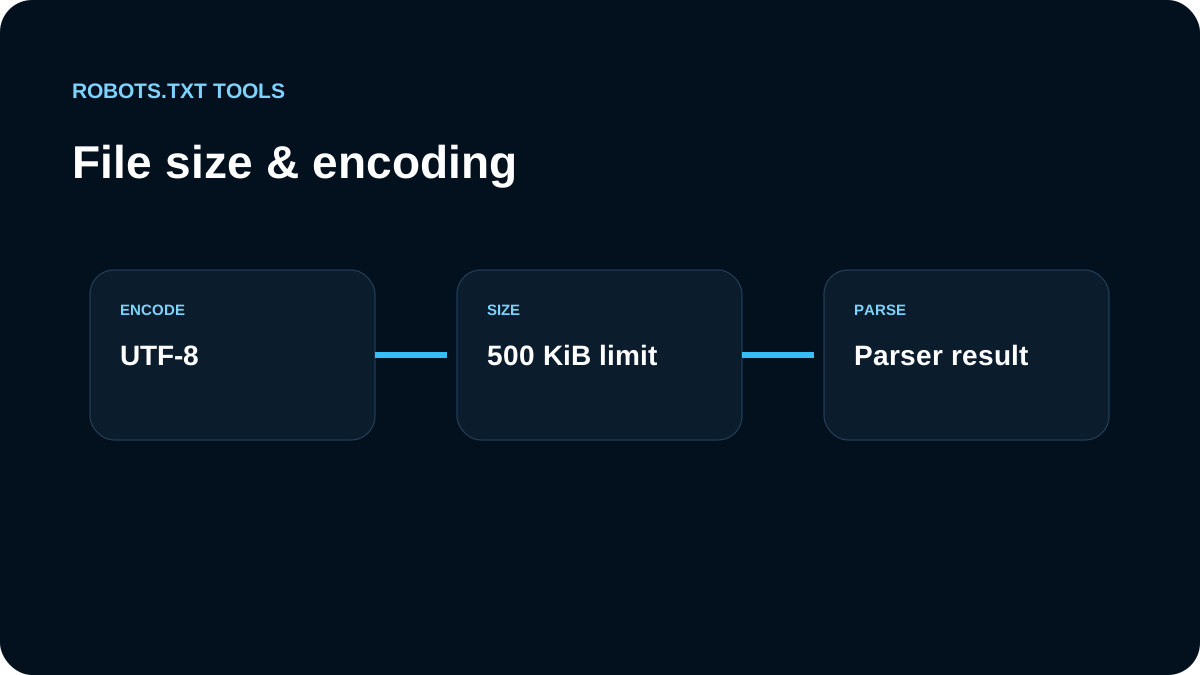
Large robots.txt files usually signal an architecture problem before they become a parser problem. We check both file size and encoding because a file can look normal in an editor while the delivered bytes are too large or contain characters a crawler cannot interpret as intended.
We measure the delivered file, not the source template
Google documents a 500 KiB robots.txt size limit. Content beyond the supported limit may be ignored, so we measure the production response rather than a pre-render template. Generated comments, repeated user-agent groups, or platform output can make the live file larger than the source suggests.
We keep UTF-8 predictable
Robots.txt should be served as UTF-8. We avoid smart-copy artifacts, legacy encodings, and hidden invalid byte sequences. Non-ASCII paths can be valid, but the bytes and URL escaping still need to match what the crawler evaluates.
When debugging an encoding issue, we compare the raw response with the URLs being tested instead of assuming the text displayed by a browser is byte-for-byte identical to the crawler input.
We reduce duplication before compressing logic
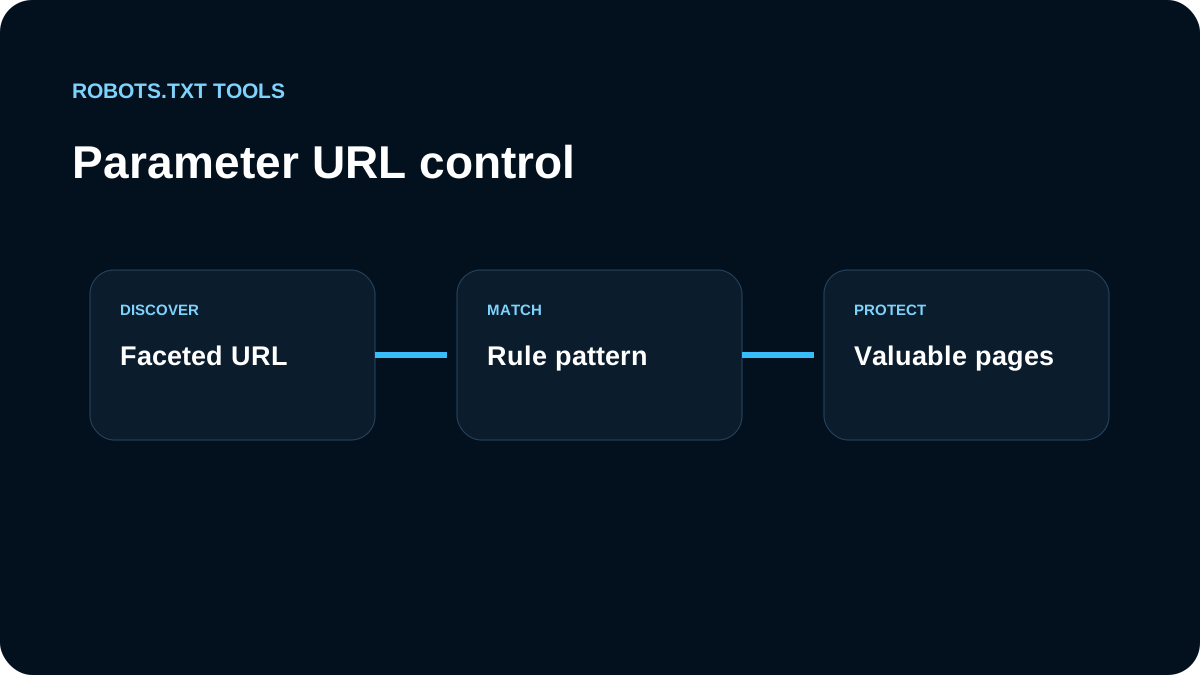
If the file approaches 500 KiB, we look for repeated rules, generated per-URL blocks, and bot lists that could be expressed more simply. Robots.txt is not the right place to enumerate thousands of individual URLs when a stable path rule can represent the same crawl policy.
We also avoid “optimization” that makes the file impossible to maintain. A shorter rule set is useful only when its matching behavior remains understandable and testable.
We validate after every structural change
We run the final text through the robots.txt validator and test representative URLs with the robots.txt tester. File-size cleanup can accidentally change group boundaries or wildcard scope if lines are merged carelessly.
HTTP delivery still matters
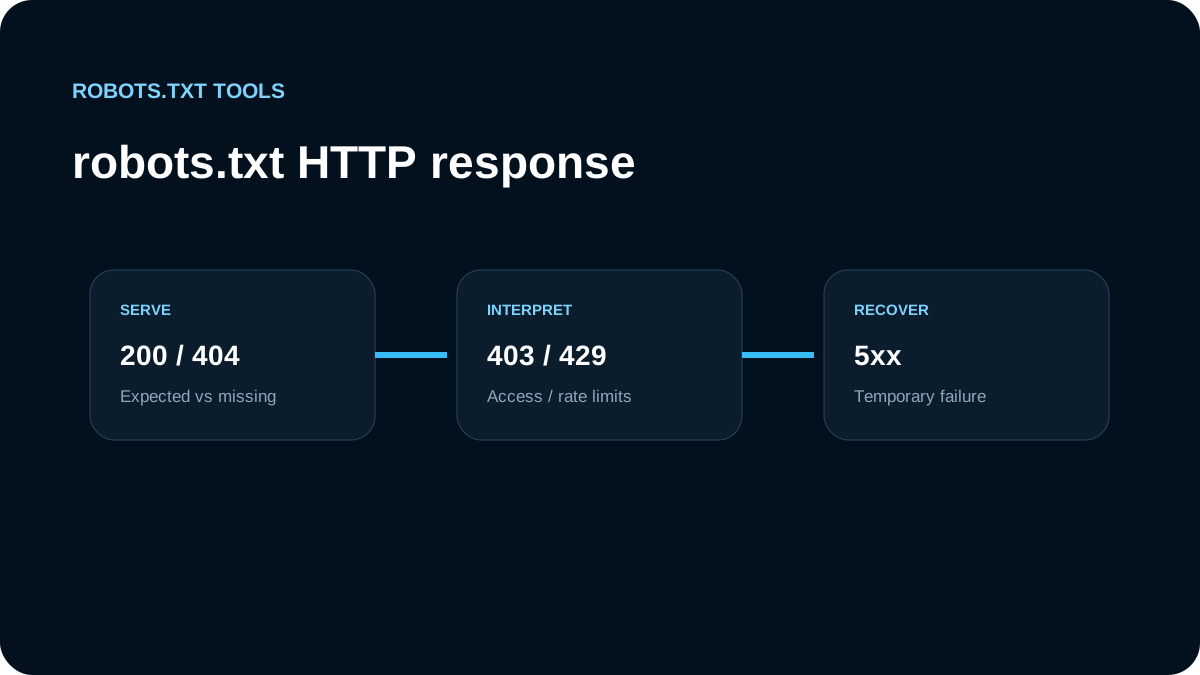
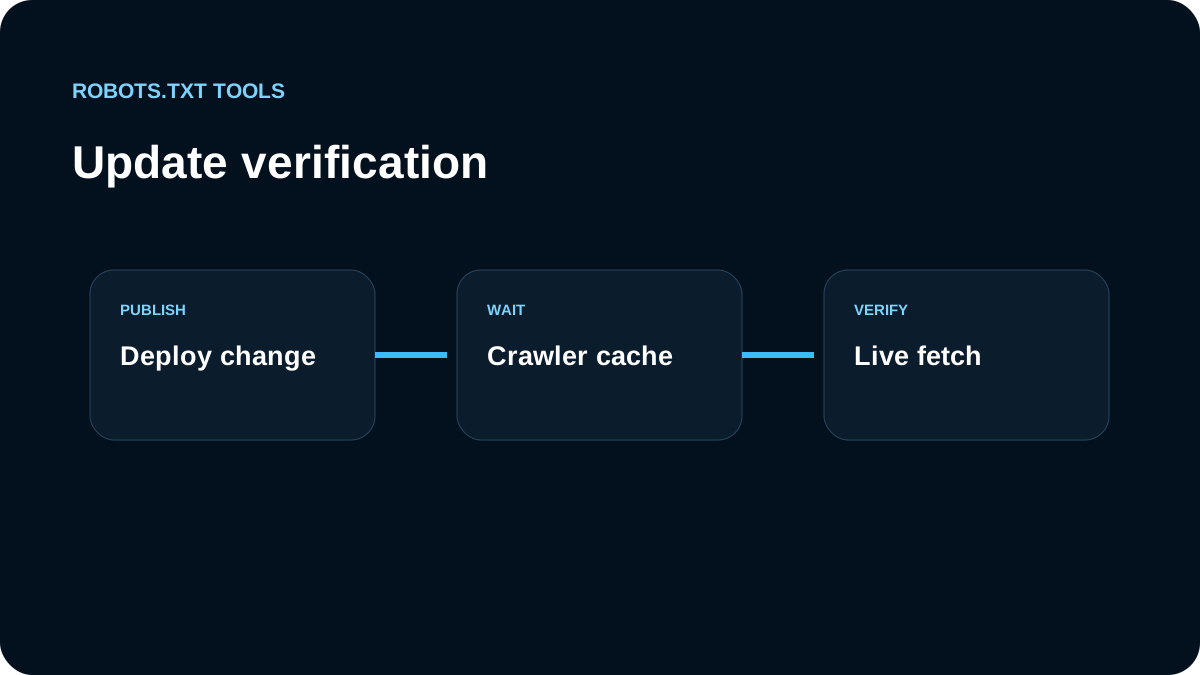
A small, valid UTF-8 file can still fail if production serves the wrong content type, redirects unexpectedly, returns an error, or exposes a stale CDN version. We inspect the live response with the robots.txt checker after deployment.
Our size and encoding checklist
- measure the actual production response in bytes;
- keep the file comfortably below 500 KiB;
- serve predictable UTF-8 text;
- remove repeated or generated per-URL rules where a stable pattern works;
- preserve clear user-agent group boundaries;
- validate syntax after simplification;
- test real URLs for the affected crawlers;
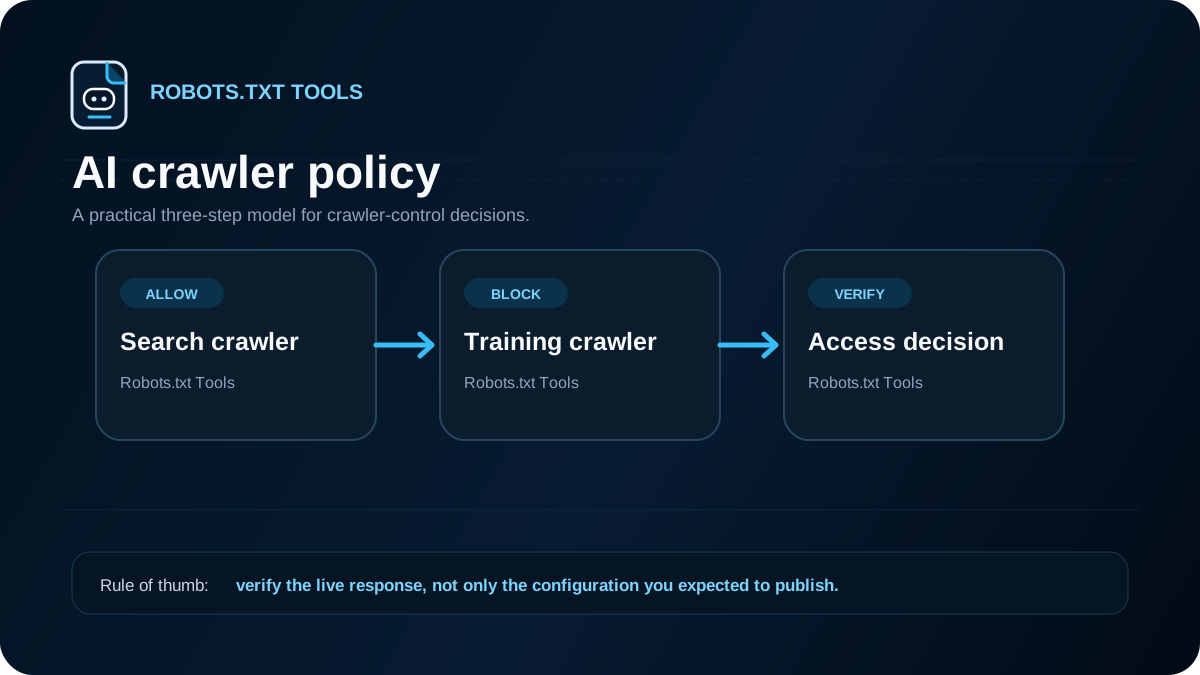
- verify the live response, not only repository content.
The safest robots.txt file is usually small enough to review, encoded consistently, and built from a few deliberate rules rather than a growing list of exceptions.